Table of Content
The saltbox’s characteristic sloping roof has a debatable origin. It may have been a clever design to avoid a tax that Queen Anne imposed on houses that were greater than a single story. The shorter facade supposedly rendered the house tax exempt. There are benefits to building a saltbox from scratch too. Their construction is fairly simple, which means they won’t take years to build. And, of course, your home will take advantage of beautiful, local views while blending in beautifully with the surrounding landscape.

Even though these residences date back to the 1800s, they continue to be popular in the modern day. This is because these houses stand out on their own due to their unique look. The saltbox originated in New England, and is a prime example of truly American architecture. According to folklore, the saltbox style home came to be because of Queen Anne’s taxation on houses greater than one story.
HOME FOR SALE IN NEW ENGLAND BY STYLE
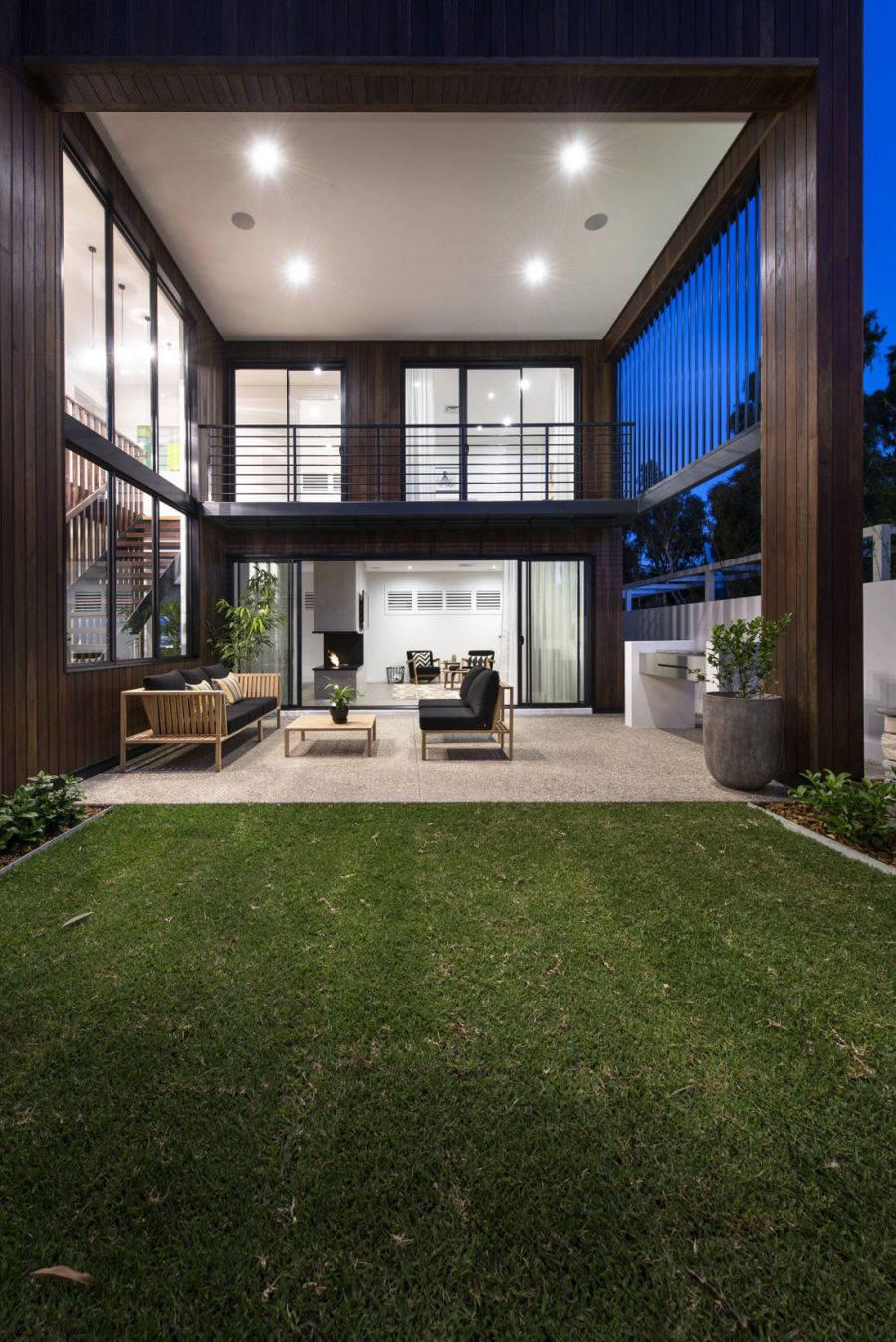
If you're looking for a classic, yet unique home in Pennsylvania, a saltbox style house could be right up your street. These houses date back to the 17th and 18th century, and are named after the wooden salt containers used at the time. However, from the side, they reveal a steep-pitched roof which slopes down to the back of the house at a sharp angle, and they very often have a central chimney. Due to their unusual shape, they usually have two stories at the front and one at the back. Traditional characteristics include wooden ceiling beams and large fireplaces. But modern twists on the style incorporate sleek, angular architectural lines and minimalistic interiors.

I am interested in Altbau-Statdvilla im malerviertel Germany and would like more information Message Your data will be passed to the agent who will contact you directly about your enquiry. Invest in Saltbox Homes, and receive a 6 % return on your real estate investment. Sold listings are included when representing the seller or buyer.
Saltbox Homes for Sale on Cape Cod
That may have come from how the shape of the houses resemble antique salt storage boxes. Ferrer and her husband are sad to leave the Buckingham house. Situated on a 3/4-acre plot with beautiful trees , the exterior has been maintained but largely unchanged since the 1600s and 1700s. But inside, the interior has been completely renovated, albeit with great respect to its roots. Saltbox Houses are well-known for their traditional exterior, design, and construction. This sketch depicts our basic Saltbox floor plan, with no added options.

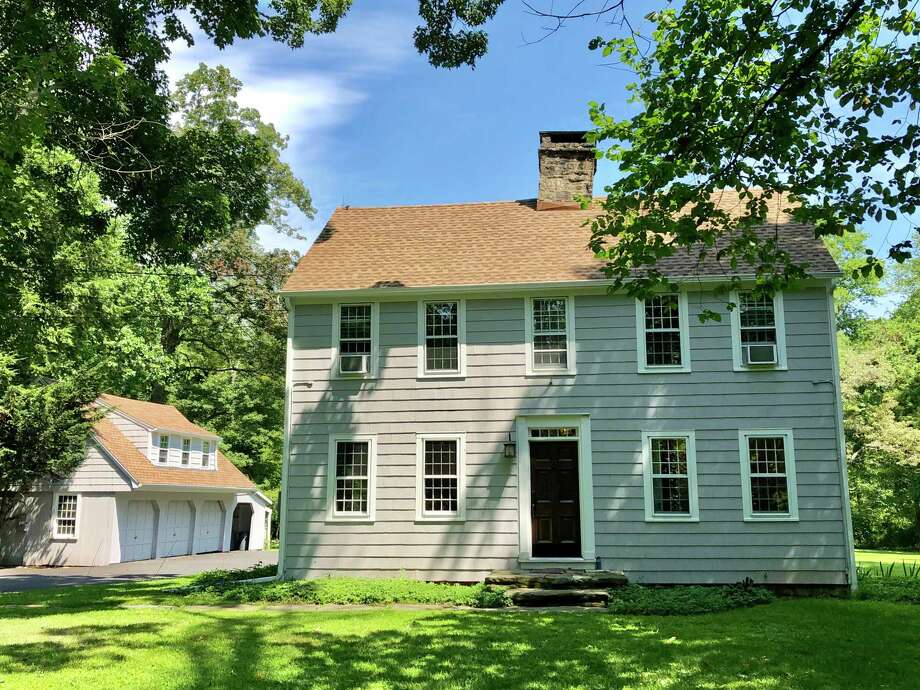
Since the rear of the roof descended to the height of a single-story building, the structure was exempt from the tax. Early saltbox houses are some of the first versions built during the colonial period. They featured five windows on the front façade, and the “front” door was actually on the back of the house. There are many features that easily identify traditional saltbox houses. Here are some of the main characteristics of historic saltbox homes. Renting a house in Middletown, CT , maybe you’ve driven past these iconic homes before.
Cape Cod Saltbox Homes
How many Saltbox Farmhouse Style Homes are for sale in Pennsylvania? There are 440 Saltbox Farmhouse Style Homes currently for sale in Pennsylvania. Use our cost of living calculators to assess how much you’ll need to earn to live comfortably in key cities. Everything you need to know about local demographics, nearby schools, public transport, market trends, and more. In fact, it almost looks like the mantle for the cooking fireplace has been lost over the years—a perfect potential restoration project. Freeport, ME, which was owned by a family who ran a saltwater farm nearby.

The hardwoods in the living room and all of the upstairs were just refinished and look amazing. The yard is perfect for entertaining or just relax to get away from it all. As you walk around the yard you will immediately notice the beautiful mature landscaping, gazebo with electricity, in-ground pool, and koi pond. On the inside, saltbox homes take advantage of natural light and highlight views of the surrounding landscape.
So, saltbox houses were and continue to be a very practical choice for homeowners living in snowy climates. Water views from nearly every room, close to the beach, renovated, with great interior and exterior spaces! Keyes Memorial Beach and a boardwalk headed to Hyannis Port are just across the street with shops, restaurants, and harbor close by too! Lots to do nearby yet just watching the ferries go by may be enough!
You may also be interested in browsing other architectural styles. Common in the late 1700s is the Boston saltbox house style. It was slightly larger and more ornate than the Concord style house as it featured nine windows on the front of the home. In the original plan of a saltbox house, the building was centered on a large central chimney.
First, you’d be the owner of a home that has long, historical roots in this country. So, if you buy a historical saltbox, you can play with the Colonial-style touches in the home and take pride in owning a unique piece of history. Properstar is analyzing the listing published by real estate agents to provide you an accurate housing price.

They’re very similar to each other but vary in details and the number of windows. Below are the most common styles of saltbox houses listed in chronological order, so you can see how they evolved over time. The first saltboxes were built in the mid-1600s, meaning they have quite a long history in the United States. Saltbox houses get their name from wooden salt containers that people had in their homes during the 17th and 18th centuries. During this era, people ground their own salt from larger rocks of salt and stored it in a small, wooden box with a steep, pitched roof. Saltbox houses are named after saltboxes because they have a similar shape with its sloped roof.
Another common addition is a shed dormer, which creates an attic space. Some homes use metal siding, rather than the traditional wood clapboard siding, giving them a modern touch. The saltbox style also allowed owners to save money by avoiding the tax on two-story homes which was in effect throughout the 17th and 18th centuries.

Saltbox colonials usually have proportionally large windows for the size of their rooms. That’s especially noticeable in one of the bedrooms of this house, where the 12-over-12 sash windows let in ample light. The Plymouth saltbox was the first to put the door on the front of the home — others almost always had the door on the back. Popular in the early 1700s, the Plymouth style house also has five windows on the exterior. The roof is often covered with asphalt shingles or wood shakes. And, they almost always have a chimney that rises from the center of the home.
If you’ve ever seen a saltbox house, chances are it was either along the coast or in a more rural area. And, it may have been in the middle of a field without other properties close by. This is because saltbox-style homes were traditionally owned by farmers and families who lived off the land. You may also notice that these homes have very steep roofs. These slanted roofs allowed snow from harsh New England winters to fall off the roof easily, without someone having to climb onto the roof.